Buy zimmervermittlung.eu ?
We are moving the project
zimmervermittlung.eu .
Are you interested in purchasing the domain
zimmervermittlung.eu ?
domain@kv-gmbh.de · 0541-91531010
Buy zimmervermittlung.eu ?
What are the advantages and disadvantages of waste incineration in an incineration plant?
Waste incineration in an incineration plant has several advantages, such as reducing the volume of waste, generating energy through the combustion process, and minimizing the need for landfill space. Additionally, it can help in the disposal of hazardous waste and reduce greenhouse gas emissions compared to landfilling. However, there are also disadvantages to consider, including air pollution from the release of harmful gases and particulate matter, potential health risks to nearby communities, and the need for strict monitoring and control of emissions to prevent environmental harm. Additionally, there are concerns about the potential release of toxic substances from the incineration process. **
Why is waste incineration bad?
Waste incineration is considered bad for several reasons. Firstly, it releases harmful pollutants and greenhouse gases into the atmosphere, contributing to air pollution and climate change. Secondly, incineration can also generate toxic ash and residue that may contaminate soil and water sources. Additionally, burning waste can discourage recycling and waste reduction efforts, as it provides a convenient disposal method that does not prioritize sustainability. **


Similar search terms for Incineration
Top-Angebote
Products related to Incineration:
-
Stellar Zero Uncoated Apartment Essentials BundleEnjoy effortless cooking without traditional non-stick coatings with the Stellar Zero Uncoated Apartment Essentials Bundle. Made from 100% pure stainless steel with an innovative precision-etched cooking surface, this versatile three-piece set provides excellent food release without the use of PFAS or PTFE coatings. Featuring Tri-Ply construction, each pan combines layers of stainless steel and aluminium to provide fast, even heat distribution and excellent temperature control. The pans respond quickly to changes in heat, helping you achieve consistent results while cooking efficiently. The set includes a 24cm frying pan, 28cm sauté pan with glass lid and a 24cm casserole, providing three essential pieces for everyday cooking. From frying and searing to simmering, slow cooking and preparing family favourites, this versatile selection is ideal for a wide range of dishes. The uncoated stainless steel construction offers the durability of stainless steel without a conventional non-stick coating. The precision-etched surface is designed to provide non-stick performance and is safe to use with metal utensils, making it well suited to everyday cooking. Suitable for all hob types, including induction, the cookware is oven safe up to 240°C and dishwasher safe for easy cleaning. Backed by Stellar's 25-year guarantee, the Zero collection combines innovative uncoated cooking technology with durable construction designed to last.224,95 £*Shipping: 0,00 £Secure redirect to the provider
-
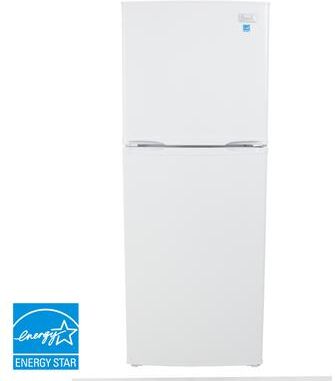
Avanti 11.6 cu. ft. Apartment Size Refrigerator, in WhiteStore your favorite food and beverages in this 11.6 cubic feet, white refrigerator from Avanti. The perfect apartment-size refrigerator, your food, and beverages stay fresh and cold thanks to the frost-free defrost system.965,99 $*Shipping: 0,00 $Secure redirect to the provider


-
What are the advantages and disadvantages of waste incineration in a waste incineration plant?
Waste incineration in a waste incineration plant has several advantages, including reducing the volume of waste, generating energy through the combustion process, and minimizing the need for landfill space. Additionally, it can help in the safe disposal of hazardous waste and reduce greenhouse gas emissions compared to landfilling. However, there are also disadvantages to consider, such as air pollution from the release of harmful gases and particulate matter, potential health risks to nearby communities, and the need for strict monitoring and control of emissions to prevent environmental harm. Additionally, there are concerns about the potential release of toxic ash residue that requires proper disposal. **
-
Will Habeck declare waste incineration as green?
It is unlikely that Habeck will declare waste incineration as green. Waste incineration is a controversial topic due to its environmental and health impacts, including air pollution and the release of greenhouse gases. Habeck, as a prominent figure in environmental policy, is likely to prioritize more sustainable and environmentally friendly waste management solutions over waste incineration. **
-
What happens to the ash from waste incineration?
After waste incineration, the remaining ash is collected and disposed of in a landfill or used in various ways. Some ash may be treated and recycled for use in construction materials like concrete or asphalt. In some cases, the ash may be further processed to recover metals or other valuable materials. Overall, the ash from waste incineration is carefully managed to minimize environmental impact and maximize resource recovery. **
-
Is residual waste searched for recyclables before incineration?
Yes, residual waste is typically searched for recyclables before incineration. This process is known as waste sorting or waste separation, where materials that can be recycled are removed from the waste stream and sent for recycling. This helps to reduce the amount of waste that is incinerated and promotes a more sustainable approach to waste management. **
How much electricity do waste incineration plants produce?
Waste incineration plants can produce a significant amount of electricity. The amount of electricity generated depends on various factors such as the size of the plant, the type and amount of waste being incinerated, and the efficiency of the technology used. On average, a waste incineration plant can produce enough electricity to power thousands of homes. This electricity generation helps to offset the energy used in the incineration process and can contribute to the overall energy supply. **
What is done with the ash after the waste incineration?
After waste incineration, the ash is typically collected and disposed of in a landfill. However, some ash may be recycled and used in construction materials such as concrete or asphalt. In some cases, the ash may also be treated to remove any hazardous materials before disposal. Overall, the handling and disposal of incineration ash is carefully regulated to ensure that it does not pose a risk to human health or the environment. **
Top-Angebote
Products related to Incineration:
-
Everyday Crate SecureGuard Wall Mounted Key Lock Box For Home, Office & Rental Properties SecureGuard Wall Mounted Key Lock Box For Home, Office & Rental PropertiesNever worry about lost keys or lockouts again. This key lock box provides a secure and convenient way to store spare keys where authorized users can access them when needed. Designed for homeowners, property managers, businesses, and rental hosts,...54,97 $*Shipping: 0,00 $Secure redirect to the provider
-
Stellar Zero Uncoated Apartment Essentials BundleEnjoy effortless cooking without traditional non-stick coatings with the Stellar Zero Uncoated Apartment Essentials Bundle. Made from 100% pure stainless steel with an innovative precision-etched cooking surface, this versatile three-piece set provides excellent food release without the use of PFAS or PTFE coatings. Featuring Tri-Ply construction, each pan combines layers of stainless steel and aluminium to provide fast, even heat distribution and excellent temperature control. The pans respond quickly to changes in heat, helping you achieve consistent results while cooking efficiently. The set includes a 24cm frying pan, 28cm sauté pan with glass lid and a 24cm casserole, providing three essential pieces for everyday cooking. From frying and searing to simmering, slow cooking and preparing family favourites, this versatile selection is ideal for a wide range of dishes. The uncoated stainless steel construction offers the durability of stainless steel without a conventional non-stick coating. The precision-etched surface is designed to provide non-stick performance and is safe to use with metal utensils, making it well suited to everyday cooking. Suitable for all hob types, including induction, the cookware is oven safe up to 240°C and dishwasher safe for easy cleaning. Backed by Stellar's 25-year guarantee, the Zero collection combines innovative uncoated cooking technology with durable construction designed to last.224,95 £*Shipping: 0,00 £Secure redirect to the provider
-
Avanti 11.6 cu. ft. Apartment Size Refrigerator, in WhiteStore your favorite food and beverages in this 11.6 cubic feet, white refrigerator from Avanti. The perfect apartment-size refrigerator, your food, and beverages stay fresh and cold thanks to the frost-free defrost system.965,99 $*Shipping: 0,00 $Secure redirect to the provider
-
What are the advantages and disadvantages of waste incineration in an incineration plant?
Waste incineration in an incineration plant has several advantages, such as reducing the volume of waste, generating energy through the combustion process, and minimizing the need for landfill space. Additionally, it can help in the disposal of hazardous waste and reduce greenhouse gas emissions compared to landfilling. However, there are also disadvantages to consider, including air pollution from the release of harmful gases and particulate matter, potential health risks to nearby communities, and the need for strict monitoring and control of emissions to prevent environmental harm. Additionally, there are concerns about the potential release of toxic substances from the incineration process. **
-
Why is waste incineration bad?
Waste incineration is considered bad for several reasons. Firstly, it releases harmful pollutants and greenhouse gases into the atmosphere, contributing to air pollution and climate change. Secondly, incineration can also generate toxic ash and residue that may contaminate soil and water sources. Additionally, burning waste can discourage recycling and waste reduction efforts, as it provides a convenient disposal method that does not prioritize sustainability. **
-
What are the advantages and disadvantages of waste incineration in a waste incineration plant?
Waste incineration in a waste incineration plant has several advantages, including reducing the volume of waste, generating energy through the combustion process, and minimizing the need for landfill space. Additionally, it can help in the safe disposal of hazardous waste and reduce greenhouse gas emissions compared to landfilling. However, there are also disadvantages to consider, such as air pollution from the release of harmful gases and particulate matter, potential health risks to nearby communities, and the need for strict monitoring and control of emissions to prevent environmental harm. Additionally, there are concerns about the potential release of toxic ash residue that requires proper disposal. **
-
Will Habeck declare waste incineration as green?
It is unlikely that Habeck will declare waste incineration as green. Waste incineration is a controversial topic due to its environmental and health impacts, including air pollution and the release of greenhouse gases. Habeck, as a prominent figure in environmental policy, is likely to prioritize more sustainable and environmentally friendly waste management solutions over waste incineration. **
Similar search terms for Incineration
-
What happens to the ash from waste incineration?
After waste incineration, the remaining ash is collected and disposed of in a landfill or used in various ways. Some ash may be treated and recycled for use in construction materials like concrete or asphalt. In some cases, the ash may be further processed to recover metals or other valuable materials. Overall, the ash from waste incineration is carefully managed to minimize environmental impact and maximize resource recovery. **
-
Is residual waste searched for recyclables before incineration?
Yes, residual waste is typically searched for recyclables before incineration. This process is known as waste sorting or waste separation, where materials that can be recycled are removed from the waste stream and sent for recycling. This helps to reduce the amount of waste that is incinerated and promotes a more sustainable approach to waste management. **
-
How much electricity do waste incineration plants produce?
Waste incineration plants can produce a significant amount of electricity. The amount of electricity generated depends on various factors such as the size of the plant, the type and amount of waste being incinerated, and the efficiency of the technology used. On average, a waste incineration plant can produce enough electricity to power thousands of homes. This electricity generation helps to offset the energy used in the incineration process and can contribute to the overall energy supply. **
-
What is done with the ash after the waste incineration?
After waste incineration, the ash is typically collected and disposed of in a landfill. However, some ash may be recycled and used in construction materials such as concrete or asphalt. In some cases, the ash may also be treated to remove any hazardous materials before disposal. Overall, the handling and disposal of incineration ash is carefully regulated to ensure that it does not pose a risk to human health or the environment. **
* All prices are inclusive of VAT and, if applicable, plus shipping costs. The offer information is based on the details provided by the respective shop and is updated through automated processes. Real-time updates do not occur, so deviations can occur in individual cases. ** Note: Parts of this content were created by AI.