Buy zimmervermittlung.eu ?
We are moving the project
zimmervermittlung.eu .
Are you interested in purchasing the domain
zimmervermittlung.eu ?
domain@kv-gmbh.de · 0541-91531010
Buy zimmervermittlung.eu ?
What destroys methane?
Methane can be destroyed through a process called oxidation, where it reacts with oxygen in the atmosphere to form carbon dioxide and water. This process can occur naturally in the atmosphere, as well as through the action of certain bacteria in the soil and water. Additionally, methane can be destroyed through chemical reactions with other compounds, such as chlorine or hydroxyl radicals. These processes help to reduce the concentration of methane in the atmosphere, which is important for mitigating its impact on climate change. **
Does cheese contain methane?
Yes, cheese does contain methane. Methane is a natural byproduct of the fermentation process that occurs during the production of cheese. It is produced by the bacteria that are used to ferment the milk and create the cheese. However, the amount of methane in cheese is relatively small compared to other sources of methane emissions in the environment. **

Similar search terms for Methane
Top-Angebote
Products related to Methane:
-
Stellar Zero Uncoated Apartment Essentials BundleEnjoy effortless cooking without traditional non-stick coatings with the Stellar Zero Uncoated Apartment Essentials Bundle. Made from 100% pure stainless steel with an innovative precision-etched cooking surface, this versatile three-piece set provides excellent food release without the use of PFAS or PTFE coatings. Featuring Tri-Ply construction, each pan combines layers of stainless steel and aluminium to provide fast, even heat distribution and excellent temperature control. The pans respond quickly to changes in heat, helping you achieve consistent results while cooking efficiently. The set includes a 24cm frying pan, 28cm sauté pan with glass lid and a 24cm casserole, providing three essential pieces for everyday cooking. From frying and searing to simmering, slow cooking and preparing family favourites, this versatile selection is ideal for a wide range of dishes. The uncoated stainless steel construction offers the durability of stainless steel without a conventional non-stick coating. The precision-etched surface is designed to provide non-stick performance and is safe to use with metal utensils, making it well suited to everyday cooking. Suitable for all hob types, including induction, the cookware is oven safe up to 240°C and dishwasher safe for easy cleaning. Backed by Stellar's 25-year guarantee, the Zero collection combines innovative uncoated cooking technology with durable construction designed to last.224,95 £*Shipping: 0,00 £Secure redirect to the provider
-
Avanti 11.6 cu. ft. Apartment Size Refrigerator, in WhiteStore your favorite food and beverages in this 11.6 cubic feet, white refrigerator from Avanti. The perfect apartment-size refrigerator, your food, and beverages stay fresh and cold thanks to the frost-free defrost system.965,99 $*Shipping: 0,00 $Secure redirect to the provider



-
What is liquid methane?
Liquid methane is a colorless, odorless, and non-toxic liquid that is derived from natural gas. It has a boiling point of approximately -161 degrees Celsius and is commonly used as a fuel source for vehicles and industrial processes. It is also being explored as a potential energy source for future space missions due to its abundance on other planets, such as Mars and Titan. **
-
How is methane converted?
Methane can be converted through a process called steam reforming, which involves reacting methane with steam at high temperatures and pressures to produce hydrogen and carbon monoxide. Another method is methane combustion, where methane is burned in the presence of oxygen to produce carbon dioxide and water. Additionally, methane can be converted into methanol through a process called catalytic oxidation. These processes are important for converting methane into more useful and less environmentally impactful products. **
-
What are methane bacteria?
Methane bacteria, also known as methanogens, are a type of microorganism that produce methane as a byproduct of their metabolism. They are found in environments with low oxygen levels, such as wetlands, marshes, and the digestive tracts of animals. Methane bacteria play a crucial role in the global carbon cycle by converting organic matter into methane gas. This process is important for the decomposition of organic material and the production of renewable energy sources such as biogas. **
-
How is methane formed?
Methane is formed through a process called methanogenesis, which occurs in anaerobic (oxygen-free) environments such as wetlands, marshes, and the digestive systems of animals. Methanogenic microorganisms, such as archaea, break down organic matter in these environments, producing methane as a byproduct. This process involves the decomposition of organic materials, such as dead plants and animal waste, by bacteria in the absence of oxygen. As a result, methane is released into the atmosphere as a natural part of the carbon cycle. Additionally, methane can also be formed through human activities such as the production and transportation of natural gas, as well as through the decomposition of organic waste in landfills. **


Will methane gas kill us?
Methane gas itself is not typically lethal in small quantities, as it is non-toxic. However, in high concentrations, methane can displace oxygen in the air, leading to a lack of oxygen which can be dangerous. Additionally, methane is highly flammable and can pose a risk of explosion in enclosed spaces. Therefore, while methane gas may not directly kill us, it can still be a significant hazard if not properly managed. **
Why are methane molecules nonpolar?
Methane molecules are nonpolar because the molecule has a symmetrical tetrahedral shape with carbon at the center and four hydrogen atoms at the corners. This symmetrical arrangement results in an equal distribution of charge, with the carbon-hydrogen bonds being nonpolar covalent bonds. As a result, there are no significant differences in electronegativity between carbon and hydrogen, leading to a nonpolar molecule overall. **
Top-Angebote
Products related to Methane:
-
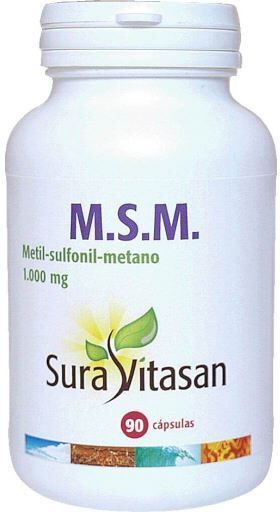
Sura Vitasan M.S.M. Methyl Sulfonyl Methane 90 CapsulesNutrition and Supplements Collagens and Cartilage Sura Vitasan M.S.M. Methyl Sulfonyl Methane 90 Capsules M.S.M. is a food supplement based on methyl-sulfonyl-methane as a natural source of sulphur. Each capsule provides 850 mg of MSM. Sulfur is essential for the functioning of our organism. It participates in the formation and flexibility of connective tissue, especially that with a high percentage of protein. It is an essential part of enzymes and protects the protoplasm of cells against toxic substances. Recommended dosage: As a food supplement it is suggested to take 1 to 2 capsules a day with food or follow the instructions of a specialist. The intake (in cases of serious ailments can go up to 10 capsules) should be distributed equally throughout the day.21,06 £*Shipping: 3,99 £Secure redirect to the provider
-
Everyday Crate SecureGuard Wall Mounted Key Lock Box For Home, Office & Rental Properties SecureGuard Wall Mounted Key Lock Box For Home, Office & Rental PropertiesNever worry about lost keys or lockouts again. This key lock box provides a secure and convenient way to store spare keys where authorized users can access them when needed. Designed for homeowners, property managers, businesses, and rental hosts,...54,97 $*Shipping: 0,00 $Secure redirect to the provider
-
Stellar Zero Uncoated Apartment Essentials BundleEnjoy effortless cooking without traditional non-stick coatings with the Stellar Zero Uncoated Apartment Essentials Bundle. Made from 100% pure stainless steel with an innovative precision-etched cooking surface, this versatile three-piece set provides excellent food release without the use of PFAS or PTFE coatings. Featuring Tri-Ply construction, each pan combines layers of stainless steel and aluminium to provide fast, even heat distribution and excellent temperature control. The pans respond quickly to changes in heat, helping you achieve consistent results while cooking efficiently. The set includes a 24cm frying pan, 28cm sauté pan with glass lid and a 24cm casserole, providing three essential pieces for everyday cooking. From frying and searing to simmering, slow cooking and preparing family favourites, this versatile selection is ideal for a wide range of dishes. The uncoated stainless steel construction offers the durability of stainless steel without a conventional non-stick coating. The precision-etched surface is designed to provide non-stick performance and is safe to use with metal utensils, making it well suited to everyday cooking. Suitable for all hob types, including induction, the cookware is oven safe up to 240°C and dishwasher safe for easy cleaning. Backed by Stellar's 25-year guarantee, the Zero collection combines innovative uncoated cooking technology with durable construction designed to last.224,95 £*Shipping: 0,00 £Secure redirect to the provider
-
What destroys methane?
Methane can be destroyed through a process called oxidation, where it reacts with oxygen in the atmosphere to form carbon dioxide and water. This process can occur naturally in the atmosphere, as well as through the action of certain bacteria in the soil and water. Additionally, methane can be destroyed through chemical reactions with other compounds, such as chlorine or hydroxyl radicals. These processes help to reduce the concentration of methane in the atmosphere, which is important for mitigating its impact on climate change. **
-
Does cheese contain methane?
Yes, cheese does contain methane. Methane is a natural byproduct of the fermentation process that occurs during the production of cheese. It is produced by the bacteria that are used to ferment the milk and create the cheese. However, the amount of methane in cheese is relatively small compared to other sources of methane emissions in the environment. **
-
What is liquid methane?
Liquid methane is a colorless, odorless, and non-toxic liquid that is derived from natural gas. It has a boiling point of approximately -161 degrees Celsius and is commonly used as a fuel source for vehicles and industrial processes. It is also being explored as a potential energy source for future space missions due to its abundance on other planets, such as Mars and Titan. **
-
How is methane converted?
Methane can be converted through a process called steam reforming, which involves reacting methane with steam at high temperatures and pressures to produce hydrogen and carbon monoxide. Another method is methane combustion, where methane is burned in the presence of oxygen to produce carbon dioxide and water. Additionally, methane can be converted into methanol through a process called catalytic oxidation. These processes are important for converting methane into more useful and less environmentally impactful products. **
Similar search terms for Methane
-
Avanti 11.6 cu. ft. Apartment Size Refrigerator, in WhiteStore your favorite food and beverages in this 11.6 cubic feet, white refrigerator from Avanti. The perfect apartment-size refrigerator, your food, and beverages stay fresh and cold thanks to the frost-free defrost system.965,99 $*Shipping: 0,00 $Secure redirect to the provider
-
Convertible Sleeper Sofa Bed for Living Room,Office,ApartmentProduct Features 3-in-1 Convertible Design:Maximize every inch of your living space with our versatile 3-in-1 sofa. Effortlessly transform it from a comfortable 3-seater sofa into a relaxing recliner or a generous king-size bed in seconds.856,49 $*Shipping: 0,00 $Secure redirect to the provider
-
What are methane bacteria?
Methane bacteria, also known as methanogens, are a type of microorganism that produce methane as a byproduct of their metabolism. They are found in environments with low oxygen levels, such as wetlands, marshes, and the digestive tracts of animals. Methane bacteria play a crucial role in the global carbon cycle by converting organic matter into methane gas. This process is important for the decomposition of organic material and the production of renewable energy sources such as biogas. **
-
How is methane formed?
Methane is formed through a process called methanogenesis, which occurs in anaerobic (oxygen-free) environments such as wetlands, marshes, and the digestive systems of animals. Methanogenic microorganisms, such as archaea, break down organic matter in these environments, producing methane as a byproduct. This process involves the decomposition of organic materials, such as dead plants and animal waste, by bacteria in the absence of oxygen. As a result, methane is released into the atmosphere as a natural part of the carbon cycle. Additionally, methane can also be formed through human activities such as the production and transportation of natural gas, as well as through the decomposition of organic waste in landfills. **
-
Will methane gas kill us?
Methane gas itself is not typically lethal in small quantities, as it is non-toxic. However, in high concentrations, methane can displace oxygen in the air, leading to a lack of oxygen which can be dangerous. Additionally, methane is highly flammable and can pose a risk of explosion in enclosed spaces. Therefore, while methane gas may not directly kill us, it can still be a significant hazard if not properly managed. **
-
Why are methane molecules nonpolar?
Methane molecules are nonpolar because the molecule has a symmetrical tetrahedral shape with carbon at the center and four hydrogen atoms at the corners. This symmetrical arrangement results in an equal distribution of charge, with the carbon-hydrogen bonds being nonpolar covalent bonds. As a result, there are no significant differences in electronegativity between carbon and hydrogen, leading to a nonpolar molecule overall. **
* All prices are inclusive of VAT and, if applicable, plus shipping costs. The offer information is based on the details provided by the respective shop and is updated through automated processes. Real-time updates do not occur, so deviations can occur in individual cases. ** Note: Parts of this content were created by AI.