Buy zimmervermittlung.eu ?
We are moving the project
zimmervermittlung.eu .
Are you interested in purchasing the domain
zimmervermittlung.eu ?
domain@kv-gmbh.de · 0541-91531010
Buy zimmervermittlung.eu ?
What are microorganisms?
Microorganisms are tiny living organisms that are too small to be seen with the naked eye. They include bacteria, viruses, fungi, and protists. Microorganisms can be found in almost every environment on Earth, including soil, water, and the human body. While some microorganisms can cause disease, many are beneficial and play important roles in processes such as decomposition, nutrient cycling, and food production. **
How do microorganisms reproduce?
Microorganisms reproduce through a process called binary fission, where a single cell divides into two identical daughter cells. This process allows microorganisms to rapidly increase in number. Some microorganisms, like bacteria, can also reproduce through conjugation, where genetic material is exchanged between two cells. Overall, microorganisms have various methods of reproduction that allow them to adapt and thrive in different environments. **


Similar search terms for Microorganisms
Top-Angebote
Products related to Microorganisms:
-
Stellar Zero Uncoated Apartment Essentials BundleEnjoy effortless cooking without traditional non-stick coatings with the Stellar Zero Uncoated Apartment Essentials Bundle. Made from 100% pure stainless steel with an innovative precision-etched cooking surface, this versatile three-piece set provides excellent food release without the use of PFAS or PTFE coatings. Featuring Tri-Ply construction, each pan combines layers of stainless steel and aluminium to provide fast, even heat distribution and excellent temperature control. The pans respond quickly to changes in heat, helping you achieve consistent results while cooking efficiently. The set includes a 24cm frying pan, 28cm sauté pan with glass lid and a 24cm casserole, providing three essential pieces for everyday cooking. From frying and searing to simmering, slow cooking and preparing family favourites, this versatile selection is ideal for a wide range of dishes. The uncoated stainless steel construction offers the durability of stainless steel without a conventional non-stick coating. The precision-etched surface is designed to provide non-stick performance and is safe to use with metal utensils, making it well suited to everyday cooking. Suitable for all hob types, including induction, the cookware is oven safe up to 240°C and dishwasher safe for easy cleaning. Backed by Stellar's 25-year guarantee, the Zero collection combines innovative uncoated cooking technology with durable construction designed to last.224,95 £*Shipping: 0,00 £Secure redirect to the provider
-
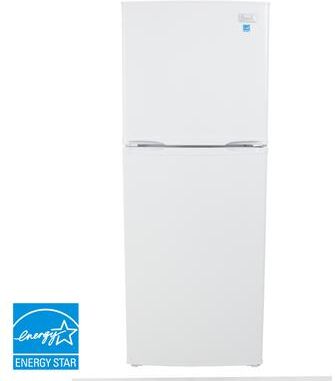
Avanti 11.6 cu. ft. Apartment Size Refrigerator, in WhiteStore your favorite food and beverages in this 11.6 cubic feet, white refrigerator from Avanti. The perfect apartment-size refrigerator, your food, and beverages stay fresh and cold thanks to the frost-free defrost system.965,99 $*Shipping: 0,00 $Secure redirect to the provider
-
Convertible Sleeper Sofa Bed for Living Room,Office,ApartmentProduct Features 3-in-1 Convertible Design:Maximize every inch of your living space with our versatile 3-in-1 sofa. Effortlessly transform it from a comfortable 3-seater sofa into a relaxing recliner or a generous king-size bed in seconds.856,49 $*Shipping: 0,00 $Secure redirect to the provider



-
Can microorganisms pass through materials?
Yes, microorganisms can pass through materials depending on their size and the porosity of the material. Some microorganisms are small enough to pass through tiny openings in materials like fabrics, filters, or even some types of plastics. This is why it is important to use materials that are specifically designed to block the passage of microorganisms in certain applications, such as in medical settings or food processing. **
-
What are the smallest microorganisms?
The smallest microorganisms are bacteria and archaea. These single-celled organisms are so tiny that they can only be seen under a microscope. Some bacteria and archaea are as small as 0.2 micrometers in diameter, making them the smallest known living organisms. Despite their small size, bacteria and archaea play crucial roles in various ecosystems and are essential for many biochemical processes. **
-
Do microorganisms die in acid?
Yes, many microorganisms can die in acidic conditions. Acidic environments can disrupt the cell membranes and denature the proteins of microorganisms, leading to their death. However, some microorganisms, suchjson as acidophilic bacteria, are able to survive and even thrive in acidic conditions. These acidophilic microorganisms have evolved mechanisms to maintain their internal pH and protect their cellular structures from the damaging effects of acidity. **
-
Why do microorganisms spoil food?
Microorganisms spoil food because they use the nutrients in the food as a source of energy and growth. Bacteria, molds, and yeasts are the main culprits of food spoilage, and they thrive in the right conditions of moisture, warmth, and pH levels. As they grow and reproduce, they produce enzymes and waste products that break down the food's proteins, fats, and carbohydrates, leading to changes in texture, color, flavor, and odor. This ultimately makes the food unpalatable and unsafe to eat. **

What do microorganisms need to reproduce?
Microorganisms need a suitable environment with the right temperature, pH level, and nutrients to reproduce. They also require moisture and oxygen to carry out their metabolic processes and grow. Additionally, some microorganisms may need specific conditions such as light or darkness to reproduce successfully. Overall, providing the necessary environmental conditions is crucial for the reproduction of microorganisms. **
What types of microorganisms could arise?
Various types of microorganisms could arise, including bacteria, viruses, fungi, and protists. These microorganisms could be pathogenic, causing diseases in humans, animals, or plants, or they could be beneficial, such as those involved in nutrient cycling, decomposition, or symbiotic relationships. The specific types of microorganisms that arise would depend on the environmental conditions, available resources, and interactions with other organisms. Additionally, genetic mutations and horizontal gene transfer could contribute to the emergence of new microorganism variants. **
Top-Angebote
Products related to Microorganisms:
-
Everyday Crate SecureGuard Wall Mounted Key Lock Box For Home, Office & Rental Properties SecureGuard Wall Mounted Key Lock Box For Home, Office & Rental PropertiesNever worry about lost keys or lockouts again. This key lock box provides a secure and convenient way to store spare keys where authorized users can access them when needed. Designed for homeowners, property managers, businesses, and rental hosts,...54,97 $*Shipping: 0,00 $Secure redirect to the provider
-
Stellar Zero Uncoated Apartment Essentials BundleEnjoy effortless cooking without traditional non-stick coatings with the Stellar Zero Uncoated Apartment Essentials Bundle. Made from 100% pure stainless steel with an innovative precision-etched cooking surface, this versatile three-piece set provides excellent food release without the use of PFAS or PTFE coatings. Featuring Tri-Ply construction, each pan combines layers of stainless steel and aluminium to provide fast, even heat distribution and excellent temperature control. The pans respond quickly to changes in heat, helping you achieve consistent results while cooking efficiently. The set includes a 24cm frying pan, 28cm sauté pan with glass lid and a 24cm casserole, providing three essential pieces for everyday cooking. From frying and searing to simmering, slow cooking and preparing family favourites, this versatile selection is ideal for a wide range of dishes. The uncoated stainless steel construction offers the durability of stainless steel without a conventional non-stick coating. The precision-etched surface is designed to provide non-stick performance and is safe to use with metal utensils, making it well suited to everyday cooking. Suitable for all hob types, including induction, the cookware is oven safe up to 240°C and dishwasher safe for easy cleaning. Backed by Stellar's 25-year guarantee, the Zero collection combines innovative uncoated cooking technology with durable construction designed to last.224,95 £*Shipping: 0,00 £Secure redirect to the provider
-
What are microorganisms?
Microorganisms are tiny living organisms that are too small to be seen with the naked eye. They include bacteria, viruses, fungi, and protists. Microorganisms can be found in almost every environment on Earth, including soil, water, and the human body. While some microorganisms can cause disease, many are beneficial and play important roles in processes such as decomposition, nutrient cycling, and food production. **
-
How do microorganisms reproduce?
Microorganisms reproduce through a process called binary fission, where a single cell divides into two identical daughter cells. This process allows microorganisms to rapidly increase in number. Some microorganisms, like bacteria, can also reproduce through conjugation, where genetic material is exchanged between two cells. Overall, microorganisms have various methods of reproduction that allow them to adapt and thrive in different environments. **
-
Can microorganisms pass through materials?
Yes, microorganisms can pass through materials depending on their size and the porosity of the material. Some microorganisms are small enough to pass through tiny openings in materials like fabrics, filters, or even some types of plastics. This is why it is important to use materials that are specifically designed to block the passage of microorganisms in certain applications, such as in medical settings or food processing. **
-
What are the smallest microorganisms?
The smallest microorganisms are bacteria and archaea. These single-celled organisms are so tiny that they can only be seen under a microscope. Some bacteria and archaea are as small as 0.2 micrometers in diameter, making them the smallest known living organisms. Despite their small size, bacteria and archaea play crucial roles in various ecosystems and are essential for many biochemical processes. **
Similar search terms for Microorganisms
-
Avanti 11.6 cu. ft. Apartment Size Refrigerator, in WhiteStore your favorite food and beverages in this 11.6 cubic feet, white refrigerator from Avanti. The perfect apartment-size refrigerator, your food, and beverages stay fresh and cold thanks to the frost-free defrost system.965,99 $*Shipping: 0,00 $Secure redirect to the provider
-
Convertible Sleeper Sofa Bed for Living Room,Office,ApartmentProduct Features 3-in-1 Convertible Design:Maximize every inch of your living space with our versatile 3-in-1 sofa. Effortlessly transform it from a comfortable 3-seater sofa into a relaxing recliner or a generous king-size bed in seconds.856,49 $*Shipping: 0,00 $Secure redirect to the provider
-
Do microorganisms die in acid?
Yes, many microorganisms can die in acidic conditions. Acidic environments can disrupt the cell membranes and denature the proteins of microorganisms, leading to their death. However, some microorganisms, suchjson as acidophilic bacteria, are able to survive and even thrive in acidic conditions. These acidophilic microorganisms have evolved mechanisms to maintain their internal pH and protect their cellular structures from the damaging effects of acidity. **
-
Why do microorganisms spoil food?
Microorganisms spoil food because they use the nutrients in the food as a source of energy and growth. Bacteria, molds, and yeasts are the main culprits of food spoilage, and they thrive in the right conditions of moisture, warmth, and pH levels. As they grow and reproduce, they produce enzymes and waste products that break down the food's proteins, fats, and carbohydrates, leading to changes in texture, color, flavor, and odor. This ultimately makes the food unpalatable and unsafe to eat. **
-
What do microorganisms need to reproduce?
Microorganisms need a suitable environment with the right temperature, pH level, and nutrients to reproduce. They also require moisture and oxygen to carry out their metabolic processes and grow. Additionally, some microorganisms may need specific conditions such as light or darkness to reproduce successfully. Overall, providing the necessary environmental conditions is crucial for the reproduction of microorganisms. **
-
What types of microorganisms could arise?
Various types of microorganisms could arise, including bacteria, viruses, fungi, and protists. These microorganisms could be pathogenic, causing diseases in humans, animals, or plants, or they could be beneficial, such as those involved in nutrient cycling, decomposition, or symbiotic relationships. The specific types of microorganisms that arise would depend on the environmental conditions, available resources, and interactions with other organisms. Additionally, genetic mutations and horizontal gene transfer could contribute to the emergence of new microorganism variants. **
* All prices are inclusive of VAT and, if applicable, plus shipping costs. The offer information is based on the details provided by the respective shop and is updated through automated processes. Real-time updates do not occur, so deviations can occur in individual cases. ** Note: Parts of this content were created by AI.