Buy zimmervermittlung.eu ?
We are moving the project
zimmervermittlung.eu .
Are you interested in purchasing the domain
zimmervermittlung.eu ?
domain@kv-gmbh.de · 0541-91531010
Buy zimmervermittlung.eu ?
Unicellular species
Unicellular species are organisms that consist of a single cell, as opposed to multicellular organisms that are made up of multiple cells. These single-celled organisms can carry out all the necessary functions for life within that one cell, including obtaining nutrients, reproducing, and responding to their environment. Examples of unicellular species include bacteria, archaea, protists, and some types of algae. Despite their simple structure, unicellular species play important roles in various ecosystems and can have significant impacts on the environment. **
'Unicellular species'
Unicellular species are organisms that consist of only a single cell. These organisms carry out all of the necessary functions for life within this single cell, including obtaining nutrients, reproducing, and responding to their environment. Examples of unicellular species include bacteria, archaea, and protists. Despite being simple in structure, unicellular species can be highly diverse and have adapted to thrive in a wide range of environments. **


Similar search terms for Unicellular
Top-Angebote
Products related to Unicellular:
-
Stellar Zero Uncoated Apartment Essentials BundleEnjoy effortless cooking without traditional non-stick coatings with the Stellar Zero Uncoated Apartment Essentials Bundle. Made from 100% pure stainless steel with an innovative precision-etched cooking surface, this versatile three-piece set provides excellent food release without the use of PFAS or PTFE coatings. Featuring Tri-Ply construction, each pan combines layers of stainless steel and aluminium to provide fast, even heat distribution and excellent temperature control. The pans respond quickly to changes in heat, helping you achieve consistent results while cooking efficiently. The set includes a 24cm frying pan, 28cm sauté pan with glass lid and a 24cm casserole, providing three essential pieces for everyday cooking. From frying and searing to simmering, slow cooking and preparing family favourites, this versatile selection is ideal for a wide range of dishes. The uncoated stainless steel construction offers the durability of stainless steel without a conventional non-stick coating. The precision-etched surface is designed to provide non-stick performance and is safe to use with metal utensils, making it well suited to everyday cooking. Suitable for all hob types, including induction, the cookware is oven safe up to 240°C and dishwasher safe for easy cleaning. Backed by Stellar's 25-year guarantee, the Zero collection combines innovative uncoated cooking technology with durable construction designed to last.224,95 £*Shipping: 0,00 £Secure redirect to the provider
-
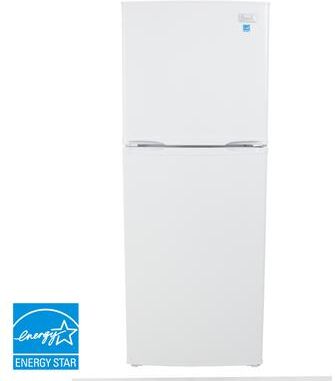
Avanti 11.6 cu. ft. Apartment Size Refrigerator, in WhiteStore your favorite food and beverages in this 11.6 cubic feet, white refrigerator from Avanti. The perfect apartment-size refrigerator, your food, and beverages stay fresh and cold thanks to the frost-free defrost system.965,99 $*Shipping: 0,00 $Secure redirect to the provider
-
Convertible Sleeper Sofa Bed for Living Room,Office,ApartmentProduct Features 3-in-1 Convertible Design:Maximize every inch of your living space with our versatile 3-in-1 sofa. Effortlessly transform it from a comfortable 3-seater sofa into a relaxing recliner or a generous king-size bed in seconds.856,49 $*Shipping: 0,00 $Secure redirect to the provider




-
Are plants unicellular or multicellular?
Plants are multicellular organisms. **
-
What are eukaryotic unicellular organisms?
Eukaryotic unicellular organisms are single-celled organisms that have a true nucleus enclosed within a membrane. They belong to the domain Eukarya and can be found in various environments such as water, soil, and even inside other organisms. Examples of eukaryotic unicellular organisms include protists like amoebas, paramecia, and algae. These organisms can carry out all the necessary functions for life within a single cell. **
-
What are unicellular and multicellular organisms?
Unicellular organisms are living things that are made up of only one cell. This means that all of their life processes, such as obtaining nutrients, reproducing, and responding to their environment, occur within a single cell. Examples of unicellular organisms include bacteria, protozoa, and some types of algae. On the other hand, multicellular organisms are made up of more than one cell. These cells are specialized to perform different functions within the organism, such as muscle cells for movement, nerve cells for communication, and skin cells for protection. Multicellular organisms include plants, animals, and fungi. The cells in multicellular organisms work together to support the overall function and survival of the organism. **
-
What were the non-organic first living organisms - unicellular organisms, if we consider paramecia and amoebas as the first unicellular organisms?
The non-organic first living organisms were likely simple organic molecules that formed through chemical reactions in the early Earth's environment. These molecules eventually combined to form the first unicellular organisms, such as paramecia and amoebas. These unicellular organisms were likely the result of a gradual process of chemical evolution, where simple organic molecules organized themselves into more complex structures capable of exhibiting life-like properties. This process eventually led to the emergence of the first living organisms on Earth. **

What are the differences between unicellular and multicellular organisms?
Unicellular organisms are made up of a single cell, while multicellular organisms are made up of multiple cells. Unicellular organisms carry out all life processes within a single cell, while multicellular organisms have specialized cells that perform specific functions. Multicellular organisms have a higher level of organization and complexity compared to unicellular organisms. Additionally, multicellular organisms have a division of labor among cells, allowing for more efficient functioning and larger size. **
How did the unicellular organism evolve into a multicellular organism?
The evolution of unicellular organisms into multicellular organisms is believed to have occurred through a process called coloniality. Initially, unicellular organisms formed colonies where individual cells worked together for survival. Over time, some cells within these colonies specialized in specific functions, leading to the development of multicellular organisms with different cell types. This specialization allowed for more complex structures and functions, ultimately leading to the evolution of multicellular organisms. **
Top-Angebote
Products related to Unicellular:
-
Everyday Crate SecureGuard Wall Mounted Key Lock Box For Home, Office & Rental Properties SecureGuard Wall Mounted Key Lock Box For Home, Office & Rental PropertiesNever worry about lost keys or lockouts again. This key lock box provides a secure and convenient way to store spare keys where authorized users can access them when needed. Designed for homeowners, property managers, businesses, and rental hosts,...54,97 $*Shipping: 0,00 $Secure redirect to the provider
-
Stellar Zero Uncoated Apartment Essentials BundleEnjoy effortless cooking without traditional non-stick coatings with the Stellar Zero Uncoated Apartment Essentials Bundle. Made from 100% pure stainless steel with an innovative precision-etched cooking surface, this versatile three-piece set provides excellent food release without the use of PFAS or PTFE coatings. Featuring Tri-Ply construction, each pan combines layers of stainless steel and aluminium to provide fast, even heat distribution and excellent temperature control. The pans respond quickly to changes in heat, helping you achieve consistent results while cooking efficiently. The set includes a 24cm frying pan, 28cm sauté pan with glass lid and a 24cm casserole, providing three essential pieces for everyday cooking. From frying and searing to simmering, slow cooking and preparing family favourites, this versatile selection is ideal for a wide range of dishes. The uncoated stainless steel construction offers the durability of stainless steel without a conventional non-stick coating. The precision-etched surface is designed to provide non-stick performance and is safe to use with metal utensils, making it well suited to everyday cooking. Suitable for all hob types, including induction, the cookware is oven safe up to 240°C and dishwasher safe for easy cleaning. Backed by Stellar's 25-year guarantee, the Zero collection combines innovative uncoated cooking technology with durable construction designed to last.224,95 £*Shipping: 0,00 £Secure redirect to the provider
-
Avanti 11.6 cu. ft. Apartment Size Refrigerator, in WhiteStore your favorite food and beverages in this 11.6 cubic feet, white refrigerator from Avanti. The perfect apartment-size refrigerator, your food, and beverages stay fresh and cold thanks to the frost-free defrost system.965,99 $*Shipping: 0,00 $Secure redirect to the provider
-
Unicellular species
Unicellular species are organisms that consist of a single cell, as opposed to multicellular organisms that are made up of multiple cells. These single-celled organisms can carry out all the necessary functions for life within that one cell, including obtaining nutrients, reproducing, and responding to their environment. Examples of unicellular species include bacteria, archaea, protists, and some types of algae. Despite their simple structure, unicellular species play important roles in various ecosystems and can have significant impacts on the environment. **
-
'Unicellular species'
Unicellular species are organisms that consist of only a single cell. These organisms carry out all of the necessary functions for life within this single cell, including obtaining nutrients, reproducing, and responding to their environment. Examples of unicellular species include bacteria, archaea, and protists. Despite being simple in structure, unicellular species can be highly diverse and have adapted to thrive in a wide range of environments. **
-
Are plants unicellular or multicellular?
Plants are multicellular organisms. **
-
What are eukaryotic unicellular organisms?
Eukaryotic unicellular organisms are single-celled organisms that have a true nucleus enclosed within a membrane. They belong to the domain Eukarya and can be found in various environments such as water, soil, and even inside other organisms. Examples of eukaryotic unicellular organisms include protists like amoebas, paramecia, and algae. These organisms can carry out all the necessary functions for life within a single cell. **
Similar search terms for Unicellular
-
Convertible Sleeper Sofa Bed for Living Room,Office,ApartmentProduct Features 3-in-1 Convertible Design:Maximize every inch of your living space with our versatile 3-in-1 sofa. Effortlessly transform it from a comfortable 3-seater sofa into a relaxing recliner or a generous king-size bed in seconds.856,49 $*Shipping: 0,00 $Secure redirect to the provider
-
What are unicellular and multicellular organisms?
Unicellular organisms are living things that are made up of only one cell. This means that all of their life processes, such as obtaining nutrients, reproducing, and responding to their environment, occur within a single cell. Examples of unicellular organisms include bacteria, protozoa, and some types of algae. On the other hand, multicellular organisms are made up of more than one cell. These cells are specialized to perform different functions within the organism, such as muscle cells for movement, nerve cells for communication, and skin cells for protection. Multicellular organisms include plants, animals, and fungi. The cells in multicellular organisms work together to support the overall function and survival of the organism. **
-
What were the non-organic first living organisms - unicellular organisms, if we consider paramecia and amoebas as the first unicellular organisms?
The non-organic first living organisms were likely simple organic molecules that formed through chemical reactions in the early Earth's environment. These molecules eventually combined to form the first unicellular organisms, such as paramecia and amoebas. These unicellular organisms were likely the result of a gradual process of chemical evolution, where simple organic molecules organized themselves into more complex structures capable of exhibiting life-like properties. This process eventually led to the emergence of the first living organisms on Earth. **
-
What are the differences between unicellular and multicellular organisms?
Unicellular organisms are made up of a single cell, while multicellular organisms are made up of multiple cells. Unicellular organisms carry out all life processes within a single cell, while multicellular organisms have specialized cells that perform specific functions. Multicellular organisms have a higher level of organization and complexity compared to unicellular organisms. Additionally, multicellular organisms have a division of labor among cells, allowing for more efficient functioning and larger size. **
-
How did the unicellular organism evolve into a multicellular organism?
The evolution of unicellular organisms into multicellular organisms is believed to have occurred through a process called coloniality. Initially, unicellular organisms formed colonies where individual cells worked together for survival. Over time, some cells within these colonies specialized in specific functions, leading to the development of multicellular organisms with different cell types. This specialization allowed for more complex structures and functions, ultimately leading to the evolution of multicellular organisms. **
* All prices are inclusive of VAT and, if applicable, plus shipping costs. The offer information is based on the details provided by the respective shop and is updated through automated processes. Real-time updates do not occur, so deviations can occur in individual cases. ** Note: Parts of this content were created by AI.